



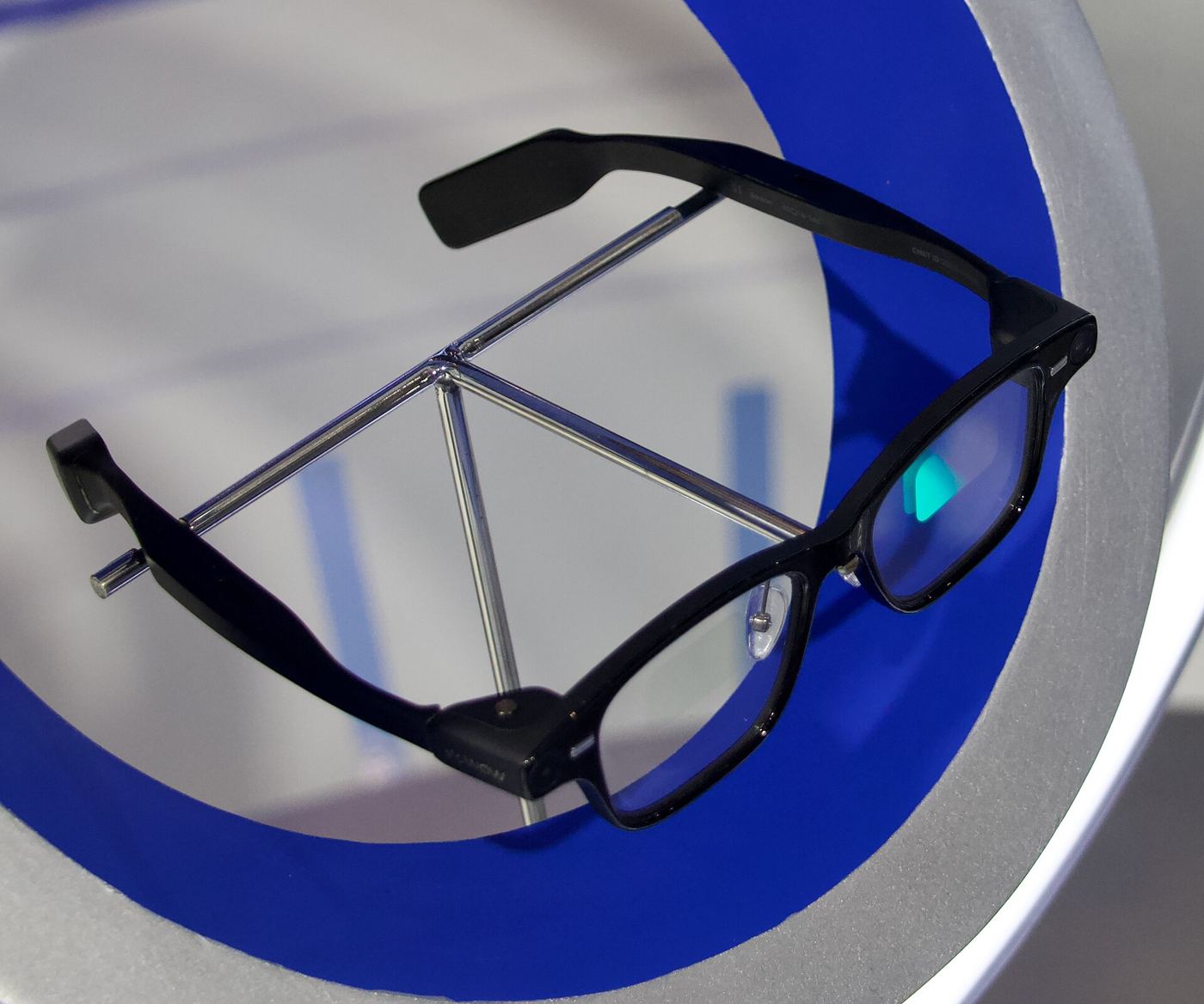
For years, augmented reality meant a bulky headset strapped to your face, but the latest smart glasses try to hide the technology inside an ordinary pair of spectacles. Cameras, microphones, speakers and a tiny display are built into the frames, and the wearer can see directions floating over the street ahead, read a message without reaching for a phone, or hear music through small speakers that sit near the ears. Some models translate a conversation in real time, showing subtitles for a language the wearer does not speak, while others identify a plant or a building simply by looking at it. The aim is to keep information available without pulling attention away from the world, a screen that appears only when it is needed and disappears when it is not.
What the Evidence Shows
Smart glasses face challenges that phones never had. The batteries are small and the displays must be bright enough to read in sunlight, so early models run for only a few hours before needing a charge. Privacy is the bigger debate: a camera worn on the face can record people without them noticing, and makers have added a visible light that shows when recording is on, along with rules about where the glasses may be used. Prices remain high, and the best experiences still depend on a phone nearby for processing. Even so, the technology is improving quickly, and designers believe the glasses could one day replace the phone for everyday tasks like navigation, messaging and photography. Whether they become as common as smartphones will depend on whether they can stay light, useful and socially acceptable all at once. Reporting and analysis from sources such as MIT Technology Review track the same developments, and specialists following the smart glasses putting information before your eyes say the direction is now consistent across independent lines of evidence.
The Wider Context
The wider context is an industry learning to ship capability and restraint together. Products built around the smart glasses putting information before your eyes now launch with safety evaluations, usage data and rollback plans as standard, because enterprise buyers and regulators ask for them in the first meeting. Companies that treated those questions as friction are discovering they have become the purchase criteria.
What Happens Next
What happens next for the smart glasses putting information before your eyes depends less on another breakthrough than on the unglamorous work of reliability, pricing and support. The buyers evaluating it now are not enthusiasts; they are operators with budgets and auditors, and their checklists will decide the timeline. On the evidence of the current pilots, the technology has earned the right to be judged by them. You can follow related developments in our coverage of technology.
There is a practical lesson in all of this for readers deciding what to do today. Start with the verified facts, be wary of anyone promising certainty, and prefer reversible steps while the evidence is still developing. Circumstances differ by country, income and personal situation, so general guidance should always be weighed against your own context before you act on it in any significant or lasting way.
