



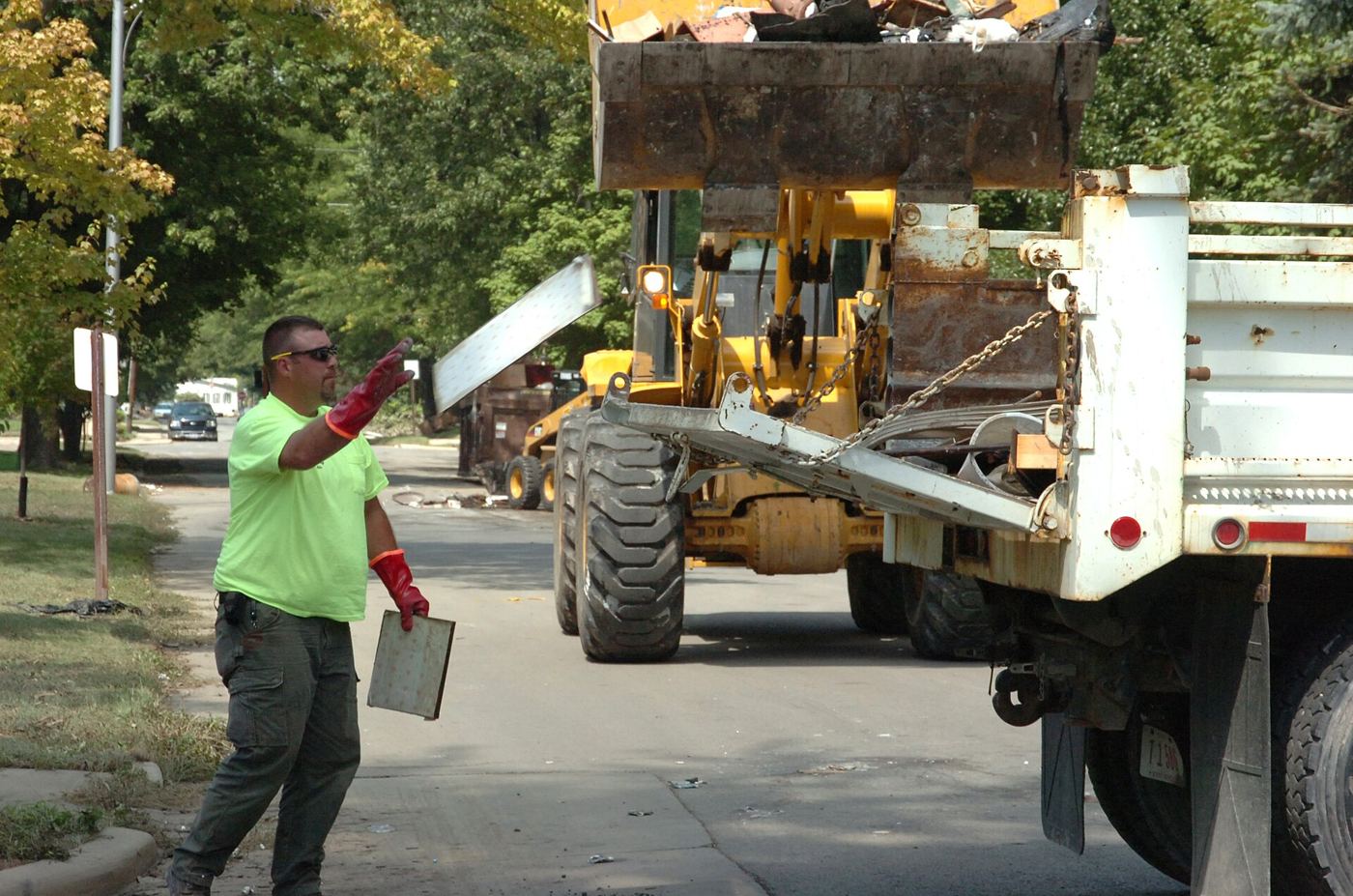
Flood teams are clearing drains, gullies and culverts ahead of a weekend of heavy rain, focusing on the streets and low-lying spots that have flooded before. Crews are lifting leaves, silt and litter from road drains, checking that water can flow freely into the system rather than pooling across pavements and junctions. Council officers say this unglamorous work is some of the most effective flood prevention available, because a single blocked gully can push water towards homes and shops even in moderate rain. Residents are being asked to help by moving cars from streets where cleaning vehicles need access, and by reporting blocked drains with a precise location. Sandbags and pumps are being positioned near known trouble spots, and control rooms will monitor river levels and weather updates through the weekend. Shopkeepers in flood-prone streets are checking their own door guards and moving stock off low floors as a precaution. Teams stress that preparation is not a prediction of disaster, but a calm routine that reduces damage and worry when the weather turns.
What the Evidence Shows
Supervisors coordinating drain clearing before heavy rain say the work follows a priority map built from past incidents, resident reports and the lie of the land. Streets under trees need the most attention in autumn, when leaf fall can seal a drain grate in a single windy night. Crews photograph cleared gullies so progress can be checked and any system faults, such as collapsed pipes, are logged for repair rather than rediscovered each storm. Residents are reminded not to pour fats or building waste into drains, which quietly undo the cleaning work. Community flood wardens are sharing updates street by street, so people hear practical news rather than rumours. If the rain proves heavier than expected, teams will move to response work, clearing blockages as they form. Afterwards, officers plan a short review of where water gathered, adding new spots to the map so each storm leaves the town better prepared. Reporting and analysis from sources such as Associated Press track the same developments, and specialists following drain clearing before heavy rain say the direction is now consistent across independent lines of evidence.
The Wider Context
Regional and local reporting on drain clearing before heavy rain often tells a different story from national coverage, because the effects land unevenly: one town’s pilot is another’s distant proposal. Analysts who follow the subject full-time read the local data first, arguing that national averages conceal the variation that decides whether a policy or a project deserves to spread.
What Happens Next
The longer story of drain clearing before heavy rain is still being written by the people closest to it, whose experience rarely matches the earliest predictions of either supporters or critics. Reporting will continue to follow the evidence as it accumulates, including where it complicates today’s account. That is the deal serious coverage makes with its readers, and it holds for this subject as for any other. You can follow related developments in our coverage of news.
It is also worth remembering how quickly the picture in this area has changed before. Positions that looked settled a few years ago have been revised as new data arrived, and the same humility is appropriate now. The strongest coverage of this subject, and the most useful advice, tends to come from sources that update their views openly when the facts move, rather than defending an earlier position long after it has stopped fitting the evidence available.
